What Every Pet Owner Should Know About Pet Grooming
Learn the health benefits of professional pet grooming, how often to book, and what to expect from a quality groomer for your dog or cat in Cincinnati.
Let's be honest, most of us got a pet for the snuggles, not the grooming sessions. But here's the thing: keeping your furry friend clean and well-groomed is one of the most important parts of being a responsible pet owner. And if you're just starting out, the whole process can feel a little overwhelming.
That's exactly why we put together this beginner-friendly guide to pet grooming. Whether you've just brought home a fluffy puppy, a curious kitten, or even a small animal like a rabbit, understanding the basics of grooming can make a huge difference in your pet's health and happiness. Yes, it goes way beyond just making them look cute for photos.
In this post, you'll discover everything you need to know to get started, from the right tools to use, to how often you should be grooming your pet, and even some tips to make the experience stress-free for both of you. Get ready to feel confident and prepared the next time your pet is due for a little TLC.
Grooming Is a Health Service, Not Just a Spa Day
Most pet owners think of grooming as a treat for their furry friend, something nice to do when their coat gets a little shaggy. But here's the thing: professional pet grooming is genuinely a health service, and understanding that changes everything about how you approach it.
When a trained groomer works with your dog or cat, they're doing much more than making them look cute. Nail trims prevent overgrown nails that can curve into paw pads or alter the way your pet walks, placing chronic stress on their joints over time. Ear cleaning removes the moisture and debris that create the perfect environment for bacterial and yeast infections. Thorough coat brushing and bathing help prevent matting, which can trap moisture against the skin and hide hot spots, irritation, or even parasites underneath. According to expert grooming resources, these services are now widely recognized as a healthcare necessity, not a cosmetic luxury.
The numbers back this up. The global pet grooming market is valued at USD 19.5 billion in 2026, reflecting the reality that millions of pet owners have already made grooming a consistent part of their pet care routine, not a one-time splurge.
There's another benefit that often surprises new pet owners: groomers frequently spot early warning signs that owners miss at home. Because groomers work through the entire coat and handle paws, ears, and skin systematically, they're positioned to notice unusual lumps, skin discoloration, or signs of parasites before those issues become serious problems.
Regular grooming also reduces shedding, dander, and airborne allergens throughout your home, which is a win for everyone in the household. And when you think about the cost of treating an ear infection or addressing joint issues caused by neglected nails, a routine grooming appointment suddenly looks like a very smart investment.
How Often Should You Actually Get Your Pet Groomed?
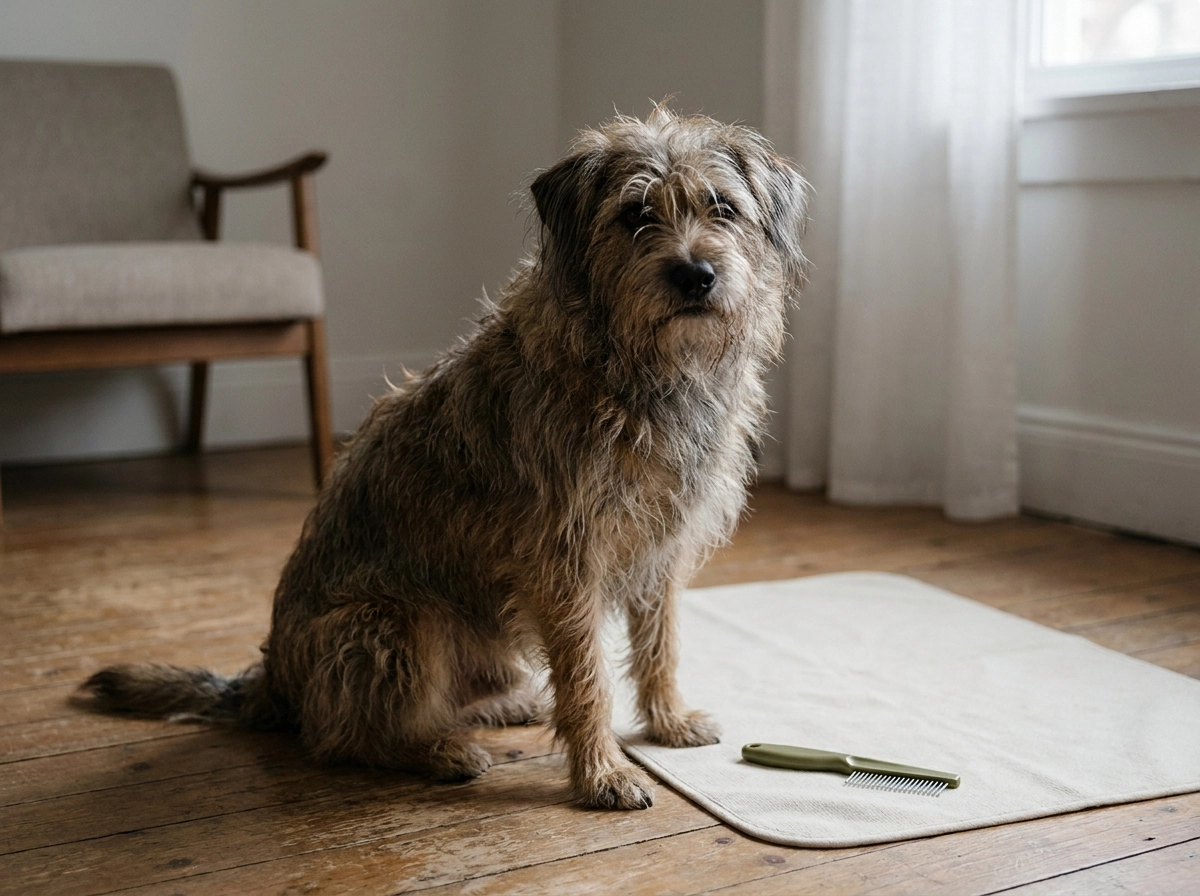
One of the most common questions new pet owners ask is simple: how often does my pet actually need to go to the groomer? The honest answer is that it depends on your pet's breed, coat type, and lifestyle. There is no single schedule that fits every dog or cat, but there are some solid general guidelines that make it much easier to figure out a routine.
For dogs, coat type is the biggest factor. Double-coated breeds like Golden Retrievers typically do well with professional grooming every 6 to 8 weeks. Short-haired breeds like Beagles are lower maintenance and can usually go 8 to 12 weeks between full grooms without any issues. The real time-sensitive cases are high-maintenance breeds like Poodles, Doodles, and Shih Tzus. These coats grow continuously rather than shedding, which means they can mat badly if left more than 4 to 6 weeks. Matting is not just an aesthetic problem; it traps moisture against the skin and can lead to irritation or infection.
Cats need professional grooming too, even though many owners assume they handle everything themselves. Long-haired breeds like Maine Coons and Persians benefit from professional grooming every 6 to 8 weeks to prevent matting, reduce hairballs, and manage shedding.
Full grooms are not the only option worth scheduling. Many pet owners book standalone nail trim or ear cleaning appointments between sessions to keep their pet comfortable and healthy in between visits.
If you are not sure where to start, do not overthink it. A good groomer will assess your specific pet at the first appointment and recommend a personalized schedule that takes the guesswork completely off your plate.
What a Quality Dog Grooming Session Should Include
Not every grooming appointment is created equal. A truly thorough session goes well beyond a quick rinse and towel dry. Here's what you should expect when you book a quality groom for your dog.
1. A Full Head-to-Tail Service A complete dog grooming session should include a bath with breed-appropriate shampoo and conditioner, a blow-dry, a full brush-out, a haircut or trim (where applicable), nail clipping, ear cleaning, and a finishing touch like a spritz or bandana. Think of it as a complete reset for your dog's coat and hygiene, not just a single step.
2. Quality Products That Actually Match Your Dog's Coat It's worth knowing that conditioners and shampoos account for 46.1% of grooming product demand globally, which tells you just how much product choice shapes the final result. A one-size-fits-all shampoo can leave sensitive skin irritated or a curly coat looking frizzy. Don't hesitate to ask your groomer what products they use and whether they customize formulas for allergies, sensitive skin, or specific coat textures. A good groomer will always have an answer ready.
3. De-Shedding Treatments for Heavy Shedders If your dog is a heavy shedder, a de-shedding treatment is one of the best add-ons you can book. Groomers use specialized shampoos, conditioners, and high-velocity dryers to pull loose undercoat out at the source. The payoff is real: significantly less fur on your furniture and floors for weeks after the appointment.
4. A Calm Environment and Open Communication A quality groomer keeps the experience low-stress, especially for anxious dogs. Just as important, they should flag anything unusual, whether that's a skin irritation, a mat they couldn't fully work through, or a behavioral concern, directly to you before you pick your pet up. That kind of transparency is a strong sign you've found a groomer worth trusting.
Cat Grooming Matters More Than Most People Realize
If you have a cat at home, you've probably watched them spend a solid chunk of their day licking their coat and figured they had grooming covered. And honestly, cats are impressive self-cleaners. But there's a big gap between what a cat can do on their own and what they actually need to stay healthy. That gap is exactly why professional cat grooming matters more than most people expect.
1. Self-Grooming Doesn't Prevent Hairballs
Every time a cat licks their fur, they swallow loose hair. Over time, that hair bunches up in the digestive tract and forms hairballs, which can cause vomiting, discomfort, and in more serious cases, blockages that require a vet visit. Professional grooming removes that excess loose fur before your cat ever gets the chance to ingest it. According to Grand Feline, professional de-shedding treatments directly contribute to better digestive comfort in ways that self-grooming simply cannot match.
2. Matting Is a Medical Problem, Not Just a Cosmetic One
Long-haired breeds like Persians, Maine Coons, and Ragdolls are especially prone to developing mats. These tangles tighten against the skin over time, restrict movement, trap moisture, and create the perfect conditions for painful skin infections. A professional groomer has the right tools and techniques to safely remove mats without hurting your cat.
3. Nails and Ears Need Attention Too
Overgrown nails can curl back toward the paw pad and cause real injury. Regular trims also protect your furniture and your family from accidental scratches. Ear cleaning during grooming sessions helps catch early signs of ear mites and infections before they become serious problems. Morgan Veterinary Practice highlights how routine grooming doubles as a wellness check, giving groomers the chance to flag lumps, skin irritations, or other concerns early.
4. Cats Need Feline-Trained Groomers
Cats respond to handling very differently than dogs do. A groomer who understands feline behavior knows how to minimize stress, use low-scent products, and work at a pace that keeps your cat calm and safe. This is a genuine skill set, not just an extension of dog grooming.
If you have both dogs and cats, Cincinnati Dog Depot in Glendale, Ohio offers grooming for both species, making it a practical single-stop solution for multi-pet households across the Cincinnati area.

How to Choose a Groomer You Can Actually Trust
Finding the right groomer takes a little homework, but it's worth the effort. Here are five things to look for before you book.
1. They'll show you around and answer your questions. A groomer worth trusting will have no problem walking you through their space, explaining their process, and telling you exactly which products they use on pets. If a facility seems hesitant to let you peek behind the scenes, that's a red flag worth taking seriously. You want to see a clean, well-ventilated space with organized equipment. A quick tour also gives you a gut-check on whether this feels like a place your pet will be comfortable.
2. Online reviews tell a real story. With 34.9% of pet service discovery now happening through online channels, consistent positive reviews from local pet owners carry genuine weight. Look for patterns in the feedback rather than fixating on any single review. Groomers who regularly earn praise for being gentle, communicative, and thorough are showing you something meaningful about how they operate day to day.
3. Ask how they handle anxious or reactive pets. This question alone can tell you a lot. A groomer who leans heavily on physical restraint rather than calm, patient handling can turn grooming into a stressful experience for sensitive animals. Fear Free certified groomers are trained to recognize subtle stress signals and respond with gentle, positive reinforcement techniques that keep pets calmer throughout the appointment.
4. Look for professional certifications. Because pet grooming is an unregulated industry in the United States, certifications from organizations like the National Dog Groomers Association of America (NDGAA) or International Professional Groomers (IPG) signal that a groomer has invested in real, structured training. That extra step matters when your pet's safety and comfort are on the line.
5. Local groomers build relationships that make a difference. Independent local groomers tend to offer something national chain salons often can't: consistency. When the same groomer sees your pet regularly, they learn that dog's quirks, sensitivities, and preferences. Over time, that familiarity genuinely reduces stress for your pet and makes each appointment go more smoothly than the last.
Understanding What You Are Paying for in a Grooming Appointment
When you're comparing grooming quotes, the price tag alone won't tell you much. Two dogs the same size can cost very different amounts to groom depending on coat condition, temperament, and how long the appointment actually takes. One provider might price by breed; another by weight or coat type. Before assuming one place is cheaper than another, ask specifically what each quote includes, because a lower number sometimes means fewer services, not a better deal.
Price-sensitivity is real among pet owners, and the market reflects it. Economy and mid-range grooming products hold 63.7% of global market share, which shows that most people are watching their spending. That's completely understandable. But the lowest-priced appointment sometimes involves shortcuts you won't notice until later, like lower-quality shampoos, less time spent per pet, or groomers with less hands-on experience. Value and price are not the same thing.
One of the clearest arguments for staying on a consistent grooming schedule is what happens when you don't. A matted coat takes significantly more time to work through, and that extra labor gets reflected in your bill. In some cases, heavy matting forces the groomer to shave areas rather than trim them, which isn't ideal for your pet's coat or comfort. Keeping regular appointments is genuinely one of the most practical ways to keep grooming costs predictable.
Many groomers also offer package pricing that bundles a bath, brush out, haircut, nail trim, and ear cleaning together at a better rate than booking each service separately. If you're planning to groom your pet regularly anyway, asking about package options upfront can save you money over time. According to a 2026 dog grooming cost breakdown, national averages range from roughly $62 for small breeds up to $120 for giant breeds for a full groom, so understanding what's bundled in that number matters.
The bottom line is simple: ask questions before you book. A groomer worth trusting will be happy to walk you through exactly what's included.
Why Combining Grooming with Boarding or Daycare Just Makes Sense
If you've already thought carefully about how often your pet gets groomed and what to look for in a groomer, here's one more thing worth considering: where you get all of those services done matters just as much as the services themselves.
1. One place, one team, one less thing to coordinate. When a facility offers grooming, boarding, and daycare under the same roof, the logistical lift on your end drops significantly. You're building a relationship with one team who gets to know your pet by name, by personality, and by preference. They know your dog gets anxious around loud dryers or that your cat does better with a quieter room. That kind of familiarity is genuinely hard to replicate when you're managing separate providers across town.
2. Grooming on the same day as boarding or daycare just works. Think about it practically: your dog is already going in for a daycare day or the start of a boarding stay. Adding a grooming session means your pet comes home clean, trimmed, and well-cared-for without you making a second trip later in the week. It saves time, reduces back-and-forth scheduling, and makes the whole experience smoother for your pet since they're already in a familiar space.
3. A team that sees your pet often will notice things others won't. Groomers are frequently the first to spot early warning signs like skin irritation, ear redness, unusual lumps, or coat changes that might indicate a health issue. When that same team also sees your pet during daycare play sessions and overnight stays, they have a much richer picture of what "normal" looks like for your specific animal. That context makes a real difference when something seems off.
4. The industry data backs up what pet owners already feel. The global pet daycare market is projected to grow from USD 2.43 billion in 2024 to USD 5.94 billion by 2035, according to Spherical Insights research on the pet daycare market. That kind of growth reflects a clear shift: pet owners want structured, professional, relationship-based care, not a patchwork of disconnected appointments.
5. Cincinnati Dog Depot makes this easy for local pet owners. Cincinnati Dog Depot in Glendale offers grooming alongside boarding and daycare services for dogs and cats, giving Cincinnati-area families a single, trusted place to handle everything. Instead of juggling multiple providers, you get one team that knows your pet across every context, making care more consistent, more convenient, and genuinely more personal.
Tips for Making Your Pet's First Grooming Appointment a Success
The first grooming appointment sets the tone for every session that follows, so a little preparation on your end makes a big difference for your pet.
1. Start early with handling and exposure. If you have a puppy or kitten, try to introduce them to grooming-related experiences before 16 weeks of age. This socialization window is when new sights, sounds, and sensations are easiest for young pets to accept as normal. Run a brush through their coat, handle their paws, and touch their ears regularly at home. Even turning on a hair dryer in another room helps them get used to the noise before they encounter it in a salon setting.
2. Brush your pet between appointments. Regular brushing at home does more than prevent tangles. It teaches your pet that being handled is routine and nothing to worry about. Arriving with a matted coat makes the session longer and more uncomfortable for your pet, so consistent brushing between visits keeps things running smoothly.
3. Tell your groomer everything upfront. Before the session begins, share any anxiety triggers, sensitive spots, or health concerns your pet has. Also describe the exact style you want so there are no surprises at pickup.
4. Exercise your pet beforehand. A good walk or play session before the appointment helps burn off nervous energy. You want your pet calm but not worn out. For dogs, learning more about grooming anxiety and how to manage it can also help you prepare.
5. Ask for feedback after the appointment. A good groomer will tell you honestly how your pet behaved and what their coat needs. Use that information to adjust your home routine and schedule the next visit at the right interval.
Give Your Pet the Grooming Routine They Deserve
Everything covered in this guide points to one simple truth: professional pet grooming is a genuine health investment. Regular appointments protect your pet's skin, coat, ears, and nails, and a skilled groomer can catch early signs of trouble before they turn into bigger vet bills. This isn't a luxury reserved for show dogs. It's routine care that every pet deserves.
The right grooming schedule looks different for every animal. A good groomer will look at your pet's breed, coat type, and lifestyle and help you figure out a cadence that actually makes sense, whether that's every four weeks or every three months. You shouldn't have to guess.
And if you have both a dog and a cat at home, finding one provider experienced with both species makes your life significantly easier. Both dogs and cats benefit from professional grooming, and having a single trusted groomer who knows all your pets builds consistency and trust over time.
When you're searching for a groomer in the Cincinnati area, look for transparent pricing, a calm and clean environment, and ideally a provider that also offers boarding and daycare so all your pet care needs are covered under one roof.
If you're in the Glendale, Ohio area, Cincinnati Dog Depot offers professional grooming for both dogs and cats, alongside boarding and daycare services. Reach out today to book your pet's first appointment.
Conclusion
Grooming your pet is about so much more than keeping them looking their best. It is a genuine act of love that supports their health, strengthens your bond, and helps you catch potential issues before they become serious problems. By using the right tools, sticking to a consistent schedule, and approaching each session with patience, you can make grooming a positive experience for both of you.
Here is your next step: pick one grooming habit to start this week. Maybe it is a simple brushing session or getting your pet comfortable with having their paws handled. Small, consistent actions build big results over time.
Your pet depends on you for their wellbeing, and now you have the knowledge to show up for them with confidence. A cleaner, healthier, happier pet is absolutely within your reach.