What to Look for in a Doggy Daycare (A First-Timer's Guide)
Not sure what makes a great doggy daycare? Learn the key things to evaluate before enrolling your dog, from safety protocols to staff ratios.
So you've decided to look into doggy daycare for your pup. Maybe you're heading back to the office, tired of coming home to a bored dog and chewed-up furniture, or simply want your furry friend to have some social interaction during the day. Whatever the reason, you're making a great choice for your dog's well-being!
But here's the thing: not all doggy daycare facilities are created equal. Walking into the first place you find and handing over your beloved pet can feel overwhelming, especially if you've never done this before. How do you know if a facility is safe? What questions should you even be asking?
Don't worry, we've got you covered. In this guide, we're breaking down exactly what to look for when choosing a doggy daycare for the first time. From safety protocols and staff qualifications to cleanliness and daily schedules, you'll walk away knowing precisely what separates a great facility from one you should avoid. Let's make sure your pup gets the happy, safe, and fun experience they deserve!
Why Doggy Daycare Is More Than Just a Convenience
If you've ever thought of doggy daycare as a luxury for overly pampered pets, you're not alone. But the numbers tell a very different story. The dog daycare market was valued at $2.38 billion in 2025 and is projected to reach $6.5 billion by 2035, growing at a 10.6% annual rate. That kind of growth doesn't happen because a few people want somewhere to drop off their dogs. It happens because something fundamental has shifted in how we think about our pets.
Dogs are no longer just pets. For millions of households, they're family members. That shift, often called pet humanization, is the single biggest force driving daycare demand. Owners are no longer asking "does my dog need this?" They're asking "what does my dog deserve?" The answer, increasingly, is structured socialization, mental stimulation, and daily interaction with other dogs and caring humans.
Those aren't just feel-good benefits either. Socialization and mental engagement are recognized as genuine health factors for dogs, helping reduce anxiety, curb destructive behavior, and support emotional wellbeing. Daycare is becoming a regular part of a dog's wellness routine, not just a solution for busy days.
For dual-income households in the Greater Cincinnati area and across Midwest metros, that routine is especially important. When both partners work full-time, a dog left alone for eight or more hours isn't just bored. It can develop stress responses and behavioral problems that are genuinely difficult to reverse.
That's exactly why choosing the right facility matters so much. The wrong environment, one with poor supervision, inconsistent staff, or lax health requirements, can cause more harm than good. For first-time buyers especially, this decision deserves real attention.
Up-to-Date Vaccination and Health Requirements
Before your dog sets one paw inside a daycare facility, the health screening process should already be underway. Any reputable doggy daycare will require proof of core vaccinations before a dog's very first day, and this isn't just paperwork for the sake of it. The standard baseline includes rabies, DHPP (which covers distemper, hepatitis, parainfluenza, and parvovirus), and Bordetella, commonly known as the kennel cough vaccine. Many facilities are now also requiring canine influenza and leptospirosis vaccines, especially as group-care settings become more common. Importantly, vaccination records should be verified through your veterinarian's documentation, not simply taken on your word. As Spring Branch Veterinary Hospital points out, the quality of the experience depends heavily on how seriously a facility enforces these standards from the start.
Beyond vaccines, ask whether the facility screens for flea and tick prevention. Dogs sharing outdoor play yards and indoor rest areas face elevated exposure to parasites, and a single untreated dog can affect the entire group. You'll also want to ask for a written illness policy. A good facility should clearly outline when a dog will be separated from the group or sent home, whether that's due to vomiting, lethargy, discharge, or other visible symptoms.
Emergency preparedness is another must-ask topic. Find out whether staff are trained in pet first aid, and ask which veterinary clinic the facility works with in an urgent situation. According to The Dog Gurus' 2026 pet owner guide, facilities that communicate health policies clearly and consistently are earning significantly more trust from new clients. Post-pandemic pet owners are paying closer attention to hygiene and health screening than ever before, and a facility that's upfront about its protocols isn't just being thorough, it's signaling that your dog's safety is genuinely the priority.
Staff-to-Dog Ratios and Supervision Standards
One of the most telling questions you can ask any doggy daycare facility is simple: how many dogs does each staff member supervise at one time? The answer reveals a lot. When ratios are low, caregivers can give each dog genuine attention, catch early warning signs of stress or conflict, and step in before a minor scuffle turns into something serious. When ratios are too high, staff shift from proactive management to damage control, and that's when injuries happen.
According to best practices outlined by dog care industry experts, the International Boarding and Pet Services Association (IBPSA) recommends a maximum of one staff member per 10 to 15 dogs during active group play. The lower end of that range applies to high-energy groups, new dogs, or mixed-size settings. Boutique facilities often run even tighter, sometimes as low as one staff member per eight dogs, which means more eyes on your pet throughout the day.
Beyond the numbers, ask whether supervision is truly continuous. Safety standards for reputable dog daycares are clear that dogs should never be left unsupervised in play areas, even briefly. Also ask whether the facility separates dogs by size, energy level, and temperament. A calm senior dog and a bouncy adolescent Lab simply should not share the same play group.
Smaller, owner-operated facilities like ours in Glendale often maintain tighter supervision standards because total enrollment stays manageable and ownership stays hands-on. Finally, staff headcount alone does not tell the whole story. Ask whether caregivers have formal animal behavior training and how long employees typically stay at the facility. Experienced, tenured staff read dog body language far more reliably than someone new to the role.
Temperament Screening and the Meet-and-Greet Process
Before your dog ever joins a play group, a quality daycare facility should want to get to know them first. A structured meet-and-greet or temperament evaluation is one of the clearest signs that a facility takes safety seriously. This initial assessment helps staff identify how a dog behaves around other dogs, whether they show signs of anxiety or aggression, and what kind of play environment will actually suit them. Skipping this step is a red flag worth paying attention to.
One of the best questions to ask during your facility tour is how dogs are grouped once they're cleared for daycare. Some facilities separate dogs by size alone, but that approach can create problems fast. A small dog with high energy and bold behavior can clash just as easily with a calm giant breed as they might with an equally energetic dog their own size. The best facilities group dogs by a combination of size, energy level, and temperament, because mismatched groupings are one of the most common sources of stress and injury in group play settings.
A thorough meet-and-greet also gives staff the chance to learn what makes your specific dog tick. Does your pup get overwhelmed in large groups? Do they have a favorite play style? Are there any known triggers? Smaller, relationship-focused facilities tend to carry this information forward into every visit, which makes a real difference in how well your dog is cared for day to day. You can learn more about what a professional dog temperament evaluation actually looks like in a structured facility setting.
It's also worth having an honest conversation upfront about what the evaluation outcomes could mean. A responsible facility will tell you clearly if group play isn't the right fit for your dog, and that transparency is a feature, not a rejection. Not every dog thrives in a daycare environment, and a good facility will always prioritize safety over filling a spot.
At Cincinnati Dog Depot in Glendale, Ohio, the intake process is built around matching each dog to the right environment from the very beginning. That kind of personalized attention reflects exactly what sets a boutique, locally owned facility apart from larger chain operations.
Clean, Safe, and Stimulating Facility Environment
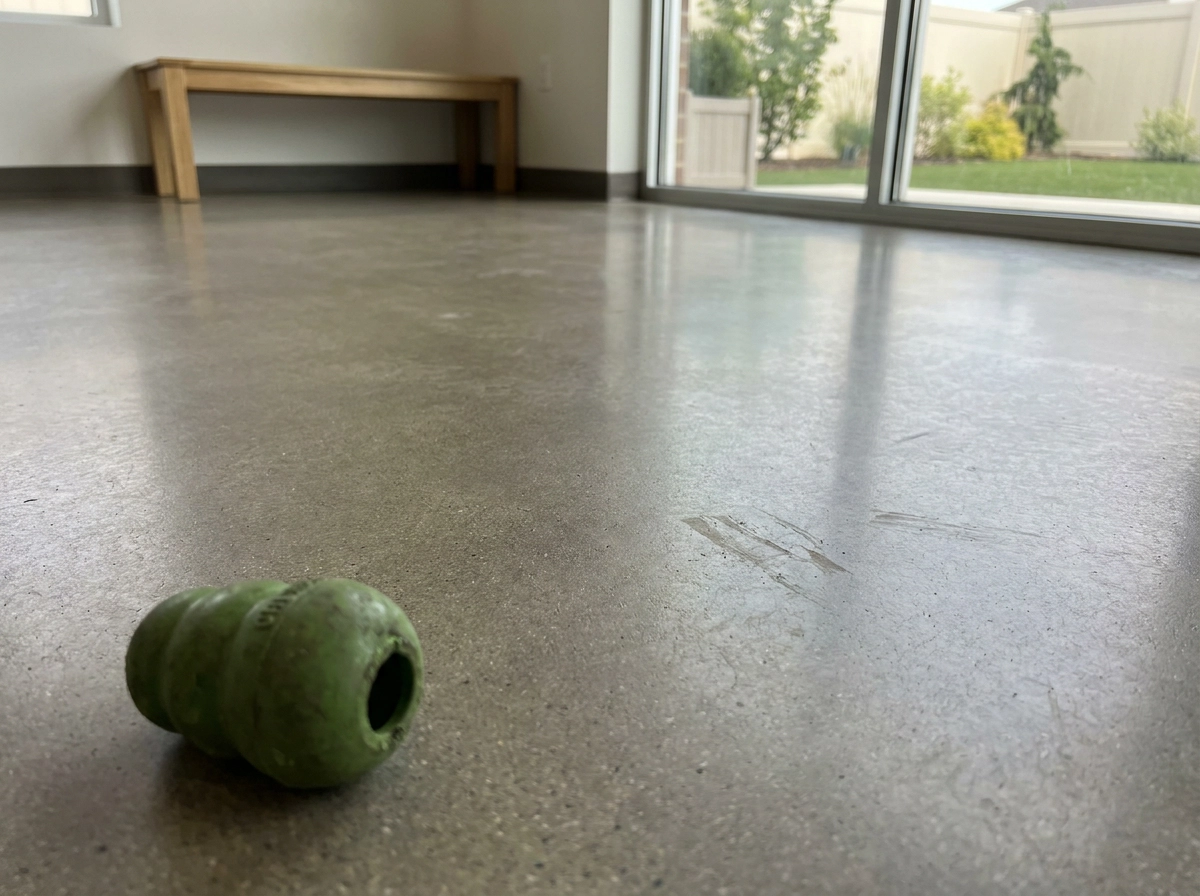
The physical environment of a doggy daycare tells you almost everything you need to know within the first few minutes of walking through the door. Start with your senses. Clean floors, fresh-smelling air, and well-maintained surfaces are non-negotiable baseline standards. According to Dog Drop's daycare safety guide, facilities should be cleaned and disinfected multiple times per day, and a space that smells strongly of urine or feces simply isn't being maintained well enough. Good ventilation matters just as much as cleanliness, since shared air is one of the fastest ways respiratory illnesses like kennel cough spread through a group.
Ask how the facility divides its dogs. A quality daycare separates playgroups by size, energy level, or play style using distinct physical zones, not just a shared open floor. Mixing a bouncy adolescent Lab with a calm senior dog in the same space creates unnecessary stress and real injury risk, regardless of how friendly either dog seems individually.
Look for signs that the facility thinks about enrichment too. Puzzle feeders, varied terrain, agility elements, and structured sniff activities signal a team that understands dog psychology. Dogs need mental engagement, not just physical space to run.
Rest areas matter just as much as play spaces. Dogs in full-day sessions need access to calm, quiet zones where they can decompress away from the group. Mandatory rest rotations are a sign of a thoughtful operation.
Finally, ask for an unscheduled walkthrough. A facility that welcomes drop-in tours without hesitation is showing you exactly the kind of confidence and transparency you want from the people caring for your dog.
Half-Day vs. Full-Day Daycare Options
Not all dogs thrive on the same schedule, and the good news is that most quality daycare facilities recognize this. A high-energy young Labrador or Border Collie mix might absolutely love a full day of group play, coming home happily tired and well-socialized. But an older dog, a shy rescue, or a pup who has never experienced group care before will often do much better starting with a shorter session of around four to six hours. Matching the session length to your dog's personality and experience level is one of the smartest early decisions you can make.
For a dog's very first daycare visit, starting with a half-day is almost always the right call. Even a few hours in a busy, stimulating environment can feel like a full adventure for a dog who has never experienced group play. Beginning with a shorter session lets your dog acclimate gradually, reducing the risk of overstimulation or exhaustion that could create a negative association with daycare right from the start. Watch how your dog behaves when they get home after that first visit; excessive fatigue or anxious behavior are useful signals to fine-tune the schedule before committing to longer sessions.
When evaluating facilities, ask specifically about scheduling flexibility. Dual-income households and people working hybrid schedules need options that adapt to a changing week, not rigid enrollment tiers. Look for facilities that offer drop-in half-day bookings alongside recurring weekly packages, since that combination gives you real-world flexibility.
Pricing structure is another area worth clarifying upfront. Some facilities have a significant price gap between half-day and full-day rates, and a late pickup can automatically bump you into the next billing tier. Understanding the rate structure before your dog's first day helps you budget accurately and avoids any unwelcome surprises. According to this helpful comparison from Bark Social, the right session length really does come down to your individual dog's needs. A local boutique provider will often give you more room to customize a schedule than a large franchise chain, where enrollment options tend to be more standardized and less negotiable.
Bundled Services: Daycare, Grooming, and Boarding Together
Here's something worth knowing before you commit to a single-service daycare: the pet care industry's fastest-growing segment in 2025 is bundled multi-service providers. Facilities that combine daycare, grooming, and boarding under one roof are outpacing single-service operations in market growth, and it makes sense when you think about it from a pet owner's perspective.
For busy households, the convenience factor alone is a game-changer. Instead of scheduling a separate grooming appointment on a different day at a different location, you can simply add a bath and trim to an existing daycare visit. Your dog is already there, already comfortable, and already familiar with the staff. That comfort matters more than most people realize. Dogs that are anxious in new environments tend to be more stressed during grooming, so a familiar facility with familiar faces can actually make for a calmer, more positive experience all around.
When evaluating any facility, it pays to ask a few direct questions. Do they offer grooming or bathing add-ons during daycare visits? Are those services handled by trained, professional groomers or by general daycare staff filling in? The distinction matters for the quality of the cut and for your dog's safety.
The same logic applies to boarding. A dog that already spends regular daycare days at a facility treats an overnight stay as a known routine rather than a stressful unknown. The smells, the layout, the people, all of it is familiar.
Pet daycare market data from Future Market Insights projects the industry will more than double by 2035, with multi-service providers leading that growth. Cincinnati Dog Depot in Glendale, Ohio offers grooming, daycare, and boarding together, putting it squarely in that high-growth category.
Local Boutique vs. National Franchise: Which Is Right for Your Dog?
Choosing between a national franchise and a locally owned boutique is one of the most personal decisions you'll make for your dog. Both have real strengths, and understanding the difference helps you make a smarter choice.
National franchise chains compete on brand recognition, standardized protocols, and technology. Many offer webcam access so you can peek in on your dog during the day, along with pet care apps that send activity updates straight to your phone. If you travel frequently and need consistent care across multiple cities, a recognizable franchise name can feel reassuring.
Locally owned facilities, on the other hand, tend to offer something franchises genuinely struggle to replicate at scale: personal familiarity. Staff at boutique daycares often know your dog by name, by temperament, and by quirk. That kind of relationship matters enormously for dogs with anxiety, reactivity, or specific behavioral needs. Boutique providers also tend to maintain tighter staff-to-dog ratios and more flexible scheduling, since they aren't locked into corporate-mandated policies.
Staff tenure is another meaningful difference. Independent facilities often retain employees longer because of the community feel and ownership culture, which means your dog builds real bonds with the same familiar faces over time.
The honest trade-off is that smaller local facilities may not always match franchise-level technology out of the box, though many are closing that gap with affordable booking platforms and real-time owner communication tools.
For pet owners in the Glendale and greater Cincinnati area, a locally owned provider brings neighborhood-level accountability that a national chain simply cannot replicate. You're not a customer number; you're a neighbor.
Questions to Ask Before You Enroll Your Dog
Choosing the right doggy daycare comes down to asking the right questions before you ever hand over the leash. Here are five questions every pet parent should ask during their search.
1. What vaccinations are required, and how do you verify compliance? At minimum, look for required proof of rabies, Bordetella, and DHPP vaccines. More importantly, ask how the facility verifies them. Do they check records directly with your vet, or do they accept owner-submitted documents on good faith? A facility without a written vaccination policy is a genuine red flag.
2. What is your staff-to-dog ratio during peak hours, and how are dogs grouped? The 2026 industry standard for active play areas is one trained staff member per 10 to 15 dogs. Also ask how groupings are determined. Size alone is not enough; temperament and energy level matter just as much.
3. What happens if my dog gets injured, sick, or acts aggressively? Ask specifically whether staff have pet first-aid training and whether there is a vet on call. Find out who gets contacted first in an emergency, you or the vet, and ask to see the written incident policy.
4. Do you offer a trial session, and what does that process look like? A trial half-day should include a structured drop-off check-in, real-time behavior observation, and a feedback summary at pickup. Skipping this step is a red flag at any quality facility.
5. Can I tour the facility, ideally with minimal notice? Any reputable daycare will welcome a visit without hesitation. Use this guide to questions for your dog daycare as a reference checklist before you go. Look for clean play areas, visible rest zones, secure fencing, and calm energy throughout.
Finding a Daycare Your Dog Will Love
Finding the right doggy daycare comes down to a handful of factors that genuinely matter: vaccination and health requirements, supervision ratios, temperament screening, facility quality, scheduling flexibility, and the added value of bundled services. When a facility checks all of those boxes, you're not just solving a scheduling problem. You're making a real investment in your dog's social confidence, mental health, and daily happiness.
Greater Cincinnati has real options, and that's a good thing. But the best choice isn't always the biggest or the most well-known. It's the place where the staff knows your dog by name, not just by kennel number. That personal connection makes every drop-off easier and every pickup something your dog actually looks forward to.
At Cincinnati Dog Depot in Glendale, Ohio, grooming, daycare, and boarding all live under one roof. That means fewer strangers, fewer transitions, and one community-rooted team that gets to know your dog over time.
Ready to see if it's the right fit? Schedule a meet-and-greet or stop in for a tour. It's the easiest first step you can take.
Conclusion
Finding the right doggy daycare does not have to feel overwhelming. By focusing on a few key factors, including staff qualifications, safety protocols, cleanliness standards, and structured daily schedules, you can confidently narrow down your options and spot red flags before they become real problems.
Your dog deserves a space where they feel safe, stimulated, and genuinely cared for. The right facility will welcome your questions, offer transparent tours, and treat your pup like one of their own.
Now it is time to put this guide to work. Start by making a shortlist of local facilities, schedule visits, and bring your questions with you. Trust your instincts during those walkthroughs. A truly great daycare will give you every reason to feel confident leaving your furry friend in their hands. Your pup's best days are just getting started.