What Every Cincinnati Dog Owner Should Know About Dog Grooming
Learn the health benefits, grooming schedules, and what to look for in a professional groomer. Serving dog owners in Cincinnati and Glendale, OH.
So you just brought home a furry new best friend, or maybe you've had your pup for a while and you're starting to wonder if you're really doing enough to keep them looking and feeling their best. Either way, you've come to the right place.
Dog grooming is one of those things that a lot of pet owners in Cincinnati don't think too much about until there's a problem. A matted coat, overgrown nails, or a not-so-pleasant smell can sneak up on you fast. The good news is that staying on top of your dog's grooming routine doesn't have to be complicated or overwhelming, especially once you know the basics.
In this post, we're breaking down everything a Cincinnati dog owner needs to know to get started. From how often your pup needs a bath to finding the right local groomer, we've got you covered. Whether you're brand new to dog ownership or just looking to brush up on your knowledge, these tips will help you keep your four-legged family member happy, healthy, and looking their absolute best.
1. Dog Grooming Is Preventive Healthcare, Not a Luxury
Many dog owners think of grooming as a way to keep their pup looking cute and smelling fresh. But here's the thing: routine grooming is actually one of the most practical forms of preventive healthcare you can give your dog. It goes a lot deeper than a good-looking coat.
Professional groomers often catch things you'd never notice at home. During a grooming session, a trained groomer has hands-on contact with nearly every part of your dog's body. That means they're in a great position to spot early warning signs like unusual lumps, dry or flaky skin, redness, hot spots, or early parasite infestations. According to Dogwood Trails Animal Hospital, regular grooming builds a baseline understanding of what's normal for your dog, making any changes easier to catch before they become serious problems.
Brushing prevents painful matting, which is more than a cosmetic issue. Mats pull on the skin, trap moisture, and create the perfect conditions for bacterial growth underneath the coat. That can lead to real skin infections if left unchecked.
Nail trims protect your dog's joints and posture. Overgrown nails force your dog to shift how they distribute weight across their paws, which creates stress in the leg joints over time. In severe cases, nails can actually curl back into the paw pad.
Ear cleaning reduces infection risk, especially in floppy-eared breeds like Basset Hounds, Cocker Spaniels, and Goldendoodles, where moisture and debris tend to collect. A peer-reviewed study published in Frontiers in Veterinary Science confirms that grooming is "an essential health maintenance activity that is fundamental to the welfare of many companion animals."
The growing pet humanization trend reflects what responsible owners already feel instinctively: grooming is not a splurge. It's proactive care that keeps your dog healthier, longer.
2. How Often Your Dog Actually Needs Professional Grooming
One of the most common questions new dog owners ask is simply: "How often does my dog actually need to go to the groomer?" The honest answer is that it depends heavily on your dog's breed and coat type. Here's a practical breakdown so you know exactly what to expect.
Doodle breeds need grooming every 6 to 8 weeks, minimum. Goldendoodles, Labradoodles, and Bernedoodles have curly or wavy coats that don't shed the way other dogs do. Instead, loose hair stays trapped in the coat and forms mats, especially behind the ears, under the legs, and around the belly. When owners stretch appointments out to save money, the grooming session that follows becomes longer, more stressful for the dog, and often more expensive. Staying on a consistent schedule is actually the more budget-friendly choice over time.
Short-coated breeds still need professional visits. Beagles, Boxers, and similar dogs look low-maintenance, but their nails keep growing, their ears need checking, and a professional bath makes a real difference in coat health. Plan on bringing them in every 8 to 12 weeks. You can learn more about how often different breeds should be groomed to get a clearer picture for your specific pup.
Double-coated breeds like Huskies, Golden Retrievers, and German Shepherds benefit from deshedding treatments every 6 to 8 weeks. During spring and fall, these breeds go through heavy coat blows that fill your home with fur. A professional deshedding treatment during those seasons makes a dramatic difference.
Wire-coated terriers and Schnauzers need clipper work or hand-stripping every 6 to 8 weeks to maintain their signature texture and keep the coat from looking overgrown and dull.
Finally, here's the simplest rule you will ever need: if you hear your dog's nails clicking on your hardwood or tile floor, you are already overdue. Nails should be trimmed roughly every 4 weeks, and that clicking sound means the nails are long enough to affect your dog's posture and joint comfort. Check out this ideal grooming schedule based on coat length for a helpful visual guide.
3. Grooming Frequency by Coat Type at a Glance
Not all coats are created equal, and knowing your dog's coat type is the fastest way to figure out how often they really need professional grooming. Here is a quick breakdown to use as your go-to reference.
Curly or wavy coats (Doodles, Poodles, Bichons): These breeds need a full professional groom every 4 to 6 weeks. Because curly and wavy coats trap loose hair instead of shedding it outward, mats can form surprisingly fast. Daily brushing at home between visits is strongly recommended to keep things manageable and comfortable for your pup.
Double coats (Huskies, Labs, Golden Retrievers): Plan on a full groom with a deshedding treatment every 6 to 8 weeks. One important rule here: never shave a double-coated dog. That thick undercoat actually insulates your dog against both heat and cold, and shaving it disrupts that natural protection. A proper deshedding treatment removes the loose undercoat without causing harm.
Short, smooth coats (Beagles, Dachshunds, Boxers): These low-maintenance coats only need a bath and nail trim every 8 to 12 weeks. That said, do not skip professional visits entirely. Even smooth-coated dogs benefit from professional ear cleaning to prevent wax buildup and infections.
Long, silky coats (Shih Tzus, Yorkies, Maltese): Fine, flowing coats tangle easily, so every 4 to 6 weeks keeps things under control. Many owners request a "puppy cut," a shorter uniform trim that significantly reduces the upkeep between salon visits.
Wire coats (Schnauzers, terriers): Every 6 to 8 weeks works well for this group. For show dogs, hand-stripping preserves the correct harsh coat texture. For everyday pets, clippering is perfectly fine and the more common approach you will find at most grooming salons.
4. What a Professional Grooming Appointment Actually Covers
If you've ever wondered exactly what happens during a professional grooming appointment, you're not alone. A lot of first-time dog owners assume it's basically just a bath with a blowout, but a full groom is actually a pretty comprehensive multi-step service.
Here's what a standard full groom typically includes:
A breed-appropriate bath with professional-grade shampoos and conditioners
Blow-dry and brush-out
Haircut or trim styled to breed standard or owner preference
Nail trim
Ear cleaning
Anal gland expression
That last two items surprise a lot of people. Ear cleaning and anal gland expression are services that are genuinely difficult and a little risky to replicate at home without proper training, so having them bundled into a regular appointment is a real perk.
The bath itself is the foundation of everything else. Professional groomers match shampoo and conditioner formulas to your dog's specific coat texture, density, and skin sensitivity. A dog with a thick double coat needs something very different from a short-haired breed, and that kind of customization just isn't possible with a bottle from the store.
Beyond the basics, most groomers also offer add-on services you can mix and match based on your dog's needs. Deshedding treatments, teeth brushing, and deep conditioning treatments are popular options for owners who want to go the extra mile.
One tip worth remembering: at the end of every appointment, ask your groomer if they noticed anything unusual, like skin irritation, an odd smell in the ears, or any lumps they came across. Groomers spend a lot of hands-on time with your dog and are often the first to spot something worth a vet follow-up. It turns a routine groom into a soft wellness check at no extra cost.
5. What to Look for When Choosing a Professional Groomer
Not all groomers are created equal, and since grooming is largely unregulated in most U.S. states, anyone can technically call themselves a professional. That makes it your job to ask the right questions before handing over your pup. Here is what to look for.
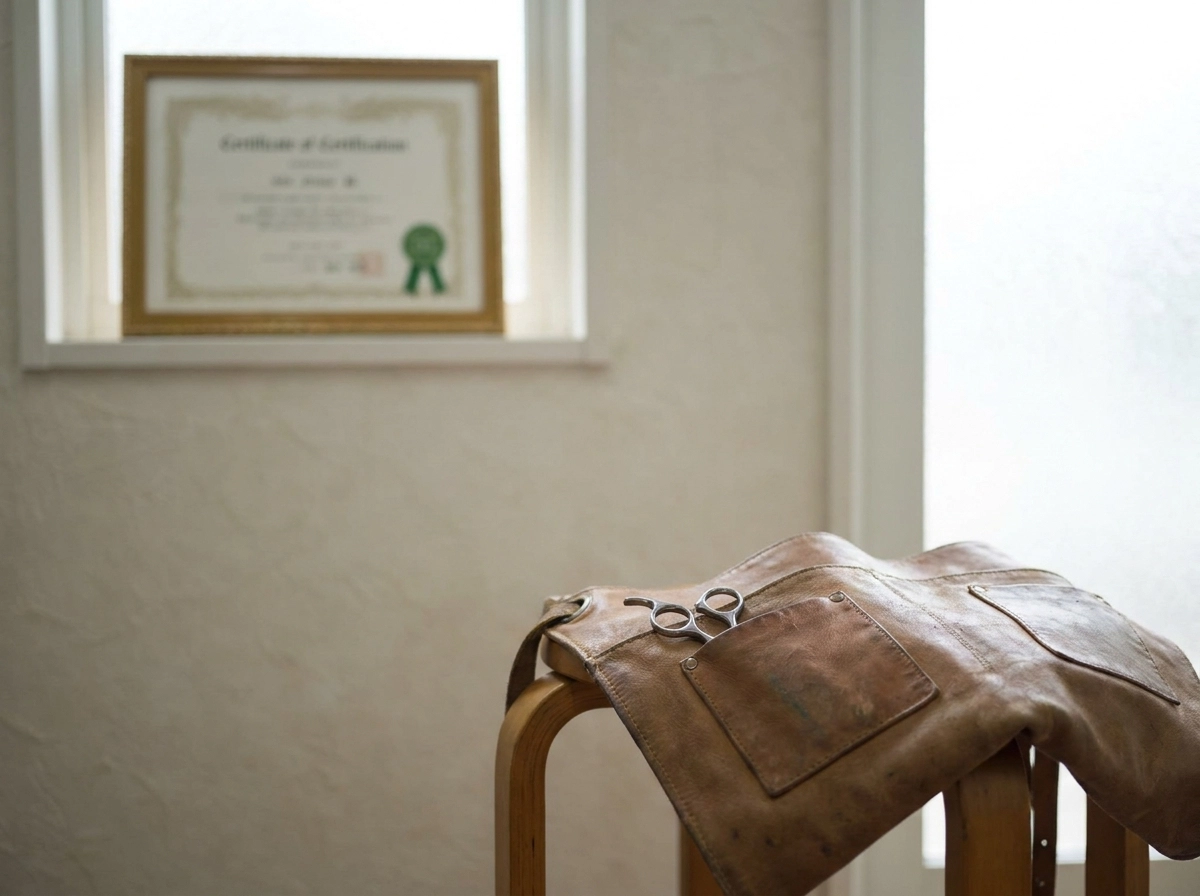
Certifications and training matter. Look for groomers who hold credentials from recognized organizations like the National Dog Groomers Association of America (NDGAA) or the International Professional Groomers (IPG). These certifications signal that the groomer completed structured coursework covering breed-specific coat handling, clipper techniques, and safety protocols. It is a meaningful differentiator in an unregulated field.
Cleanliness is non-negotiable. A well-maintained facility should smell clean, have sanitized kennels, and show no visible hazards. According to guidance from earthbath, signs of a quality shop include clean grooming tables, organized workspaces, and equipment that is clearly maintained. Do not hesitate to ask for a quick tour before booking.
Ask about dryer practices directly. Force dryers left unattended can cause dangerous heat buildup, especially in flat-faced breeds like Bulldogs and Pugs. Reputable groomers either hand-dry or supervise cage dryers continuously. If a groomer is evasive about this, treat it as a dealbreaker.
Get your pricing upfront. Grooming ticket prices have risen 15 to 25% since 2021, so sticker shock is real. A trustworthy groomer will give you a clear estimate based on your dog's breed and coat condition before starting, not after.
Finally, trust the trust signals. Strong online reviews, before-and-after photos of breeds similar to yours, and a willingness to discuss handling techniques for anxious dogs all point to a professional operation worth your confidence.
6. Grooming Anxious or Reactive Dogs: What a Good Salon Does Differently
If your dog has ever trembled on the grooming table or snapped at the clippers, you already know that a stressful grooming experience is rough on everyone involved. The good news is that most anxious or reactive dogs can be groomed comfortably in a salon setting when the groomer knows what they are doing.
Technique matters more than the format. Fear-free handling is the gold standard for anxious dogs, and it looks like this in practice: low-stress restraint instead of tight holds, frequent short breaks during the appointment, calm and quiet body language from the groomer, and plenty of treat reinforcement throughout. These small adjustments can make a genuinely life-changing difference for dogs that have had negative experiences in the past. As one dog owner in an online community noted, her dog was on anxiety medication until she found a groomer experienced with reactive dogs, describing it as a total game changer for nervous dogs.
Timing is a simple but underused tool. Scheduling your anxious dog during early morning or mid-week slots means fewer dogs, less noise, and a calmer overall atmosphere. A packed Saturday afternoon is a very different environment from a quiet Tuesday morning.
Desensitization visits are worth asking about. These are short, pressure-free drop-ins where your dog explores the salon, gets treats, and meets the groomer with zero grooming involved. Repeated visits like this help reactive puppies and rescue dogs build positive associations before any scissors come out, as highlighted in this welfare-first approach to grooming nervous dogs.
Always communicate your dog's specific triggers before the first appointment. Loud dryers, nail trims, being lifted onto a table — these are all things a prepared groomer can work around or approach differently. The more your groomer knows upfront, the better the outcome.
7. Salon Grooming vs. Mobile Grooming: Which Is Right for Your Dog?
When it comes to choosing how your dog gets groomed, you basically have two main options: booking a traditional salon appointment or scheduling a mobile groomer to come to you. Both have real advantages, and the right choice honestly depends on your specific dog.
Salon-based grooming remains the dominant format for a reason. It holds roughly 55% of the professional grooming services market in 2026, and established salons bring something mobile units simply cannot: a full range of industrial-grade equipment. We're talking high-velocity dryers, commercial-sized tubs, and grooming tables built for dogs of every size. If you have a Saint Bernard, a large doodle mix, or a dog that needs a serious deshedding treatment, a full salon setup handles those jobs far more efficiently. Multiple groomers on staff also means help is available for dogs that need extra hands or careful handling.
Mobile grooming does shine in specific situations. Anxious dogs who find salon environments overstimulating, puppies who haven't completed vaccinations, or dogs prone to carsickness can genuinely benefit from a one-on-one, lower-stimulation appointment at home. The trade-off is cost; mobile services typically run 15 to 40 percent more per appointment than equivalent salon services, and availability in many markets is limited with wait times stretching weeks out.
One underrated advantage of a consistent local salon is the relationship your dog builds with a groomer over time. When someone sees your dog every six to eight weeks, they learn the quirks of your dog's coat, their anxiety triggers, and the small details that make each appointment smoother than the last. That kind of personalized, ongoing knowledge is genuinely hard to replicate elsewhere.
For Cincinnati-area owners, Cincinnati Dog Depot in Glendale offers exactly that combination: neighborhood-level personalization backed by professional equipment and a full service menu.
8. The Hidden Value of Combining Grooming With Boarding or Daycare
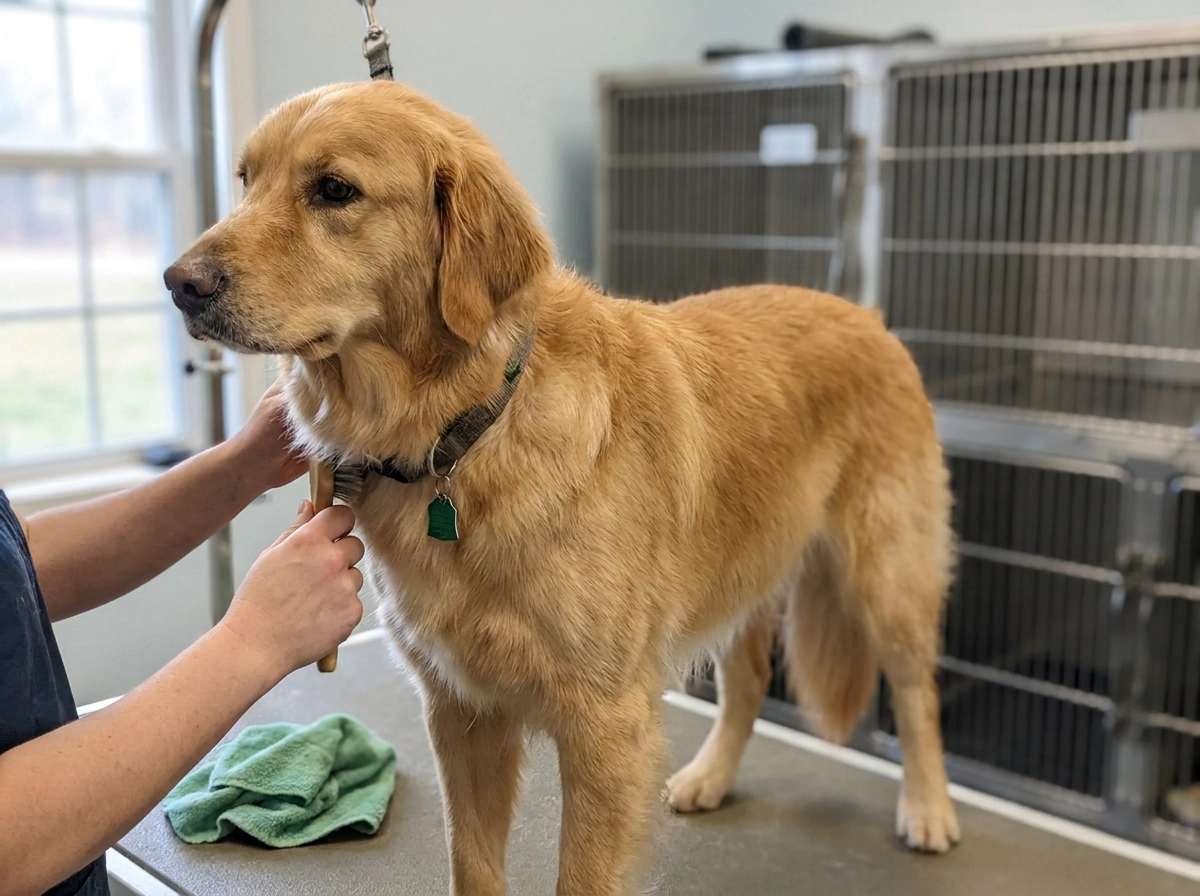
There is one grooming strategy that busy dog owners rarely think about until someone points it out, and once you hear it, it just makes sense. If your dog is already going to a facility for boarding or daycare, adding a grooming appointment to that same visit is one of the smartest moves you can make.
Think about what it normally takes to keep your dog on a consistent grooming schedule. You book a separate appointment, load your dog into the car for an extra trip, drop them off, pick them up, and repeat every six to eight weeks. When you combine grooming with a daycare day, that entire process collapses into one drop-off and one pick-up. Your dog comes home clean, trimmed, and smelling great without any extra effort on your part.
There is also a real benefit for your dog's comfort level. Dogs who spend regular time at a facility already know the staff and the environment. When grooming happens in a place your dog associates with fun and familiar faces, the whole experience tends to go more smoothly. A new location with unfamiliar smells and strangers handling them is far more stressful than a place they already trust.
For dogs that get anxious during car rides, reducing the total number of trips matters too. Fewer handoffs and less travel time adds up to a calmer dog overall.
At Cincinnati Dog Depot in Glendale, Ohio, grooming is offered right alongside boarding and daycare services. For busy pet owners in the greater Cincinnati area, that means one provider, one schedule, and a dog that stays on a consistent wellness routine without you having to juggle multiple appointments across multiple locations.
9. What You Can Do at Home Between Professional Appointments
Professional grooming does the heavy lifting, but what you do at home between visits makes a real difference in how your dog looks, feels, and behaves at their next appointment. Here are five simple habits that go a long way.
Brush at home 2 to 3 times per week. This is the single most impactful thing you can do. Regular brushing removes loose hair, prevents tangles from becoming full mats, and keeps the coat looking fresh long after a professional groom. Groomers consistently flag this as the number one reason dogs end up with mandatory shave-downs; owners want the fluffy look but skip the brushwork at home. A few minutes a few times a week genuinely protects your investment.
Use the right brush for your dog's coat. A slicker brush works best for curly and long coats like doodles and spaniels. A rubber curry brush or grooming mitt is ideal for short, smooth coats like Beagles or Boxers. Double-coated breeds like Huskies and Labs need an undercoat rake to reach the dense underlayer. Using the correct tool makes brushing faster and more comfortable for your dog. According to at-home grooming tips from professional groomers, matching your tool to your dog's coat type is one of the most overlooked steps owners skip.
Wipe paws after every outdoor walk. Dirt, road salt, and de-icing chemicals can irritate paw pads and get tracked through your home. A damp towel or pet-safe wipe by the door takes about 30 seconds and keeps paws healthier between baths.
Check ears weekly. While you are handling your dog during brushing, take a quick peek inside each ear. Odor, redness, or dark discharge are early warning signs of infection that are much easier to treat when caught early.
Leave nail trims to the professionals unless you have been trained. Accidentally cutting into the quick is painful and can cause bleeding. More importantly, a single bad nail trim experience can make a dog permanently resistant to the process, creating a much bigger problem down the road.
10. Why Professional Dog Grooming Is Growing Faster Than Ever
If you've made it this far through this guide, you already know that professional dog grooming is about a lot more than aesthetics. And it turns out, millions of other dog owners across the country are reaching the same conclusion at the same time.
The professional pet grooming services market is valued at USD 3.8 billion in 2026 and is forecast to nearly double, reaching USD 7.9 billion by 2036, growing at a steady 7.5% annual rate. The engine behind that growth is straightforward: more people own dogs, and they care about those dogs deeply. Pet humanization, the very real trend of treating pets as full family members rather than backyard animals, has turned grooming from an occasional luxury into a routine wellness habit.
Dogs drive 72% of professional grooming service demand, which tells you everything about where the industry's energy is focused. With approximately 90 million pet dogs living in roughly 45% of U.S. households, the pool of potential grooming clients is enormous, and in many local markets, including the Greater Cincinnati area, demand for skilled and trustworthy groomers continues to outpace availability.
The explosion of doodle breeds has only accelerated things. Goldendoodles, Labradoodles, and Bernedoodles have gorgeous coats that mat quickly and require professional attention every 6 to 8 weeks without exception. These dogs are not optional groomers; they are recurring clients by necessity.
Pricing reflects all of this shifting demand. Average grooming ticket prices have risen 15 to 25% since 2021, driven by inflation but also by owners actively choosing higher-quality, relationship-based grooming over the cheapest available option. You can explore current pet grooming market data to see just how significant this industry shift has become.
The bottom line is simple: professional dog grooming is a growing, thriving industry because dog owners like you are investing more intentionally in their pets' health and happiness than ever before.
Keeping Your Dog on a Regular Grooming Schedule Starts Here
Everything you've read in this guide comes down to one simple idea: professional dog grooming is preventive care, and doing it consistently is what actually makes a difference for your dog's health and comfort. One great appointment helps, but a regular schedule is what protects your pup over the long haul.
The practical takeaway is straightforward. Find a certified groomer who is transparent about their handling approach, takes the time to understand your dog's temperament, and can recommend a schedule that fits your breed and coat type. Then stick to it.
If you're in the Greater Cincinnati area, you're in a good spot. Local independent groomers offer something that larger operations simply can't replicate: genuine relationships, consistent handlers, and care that's built around your specific dog rather than a one-size-fits-all process.
Cincinnati Dog Depot in Glendale is currently welcoming new clients, and booking is easy through our online scheduler. You can also pair your dog's grooming visit with boarding or daycare to make the most of one trip.
We're dog people too, and we genuinely care about being a long-term partner in your dog's wellbeing, not just the place you call when things get shaggy. We'd love to meet your pup.