10 Things to Look for When Choosing Dog Boarding in Cincinnati
Looking for dog boarding in Cincinnati? Here are 10 things every pet owner should check before choosing a facility for their dog.
Leaving your dog behind when you travel can feel stressful, especially if you have never used a boarding facility before. You want your furry best friend to be safe, happy, and well cared for while you are away. But with so many options out there, how do you even know where to start?
That is where we come in. Finding the right dog boarding in Cincinnati does not have to be overwhelming. Whether you are dropping your pup off for the first time or just looking for a better option than what you have used in the past, knowing what to look for makes all the difference.
In this post, we are breaking down the 10 most important things to consider before choosing a dog boarding facility. From cleanliness and staff qualifications to safety protocols and daily routines, we have got you covered. By the time you finish reading, you will feel confident and prepared to find a place where your dog will truly thrive. Let's dive in!
Up-to-Date Vaccination and Health Requirements
Any quality boarding facility worth your trust will ask for proof of current vaccinations before your dog ever steps through the door. The core vaccines to have ready are rabies, distemper-parvo (DHPP), and Bordetella, which is commonly called the kennel cough vaccine. According to the UC Davis School of Veterinary Medicine, kennels with strict vaccine requirements should actually be considered first when evaluating your options. That rigorous policy is a sign of a well-run facility, not a bureaucratic hassle. Every unvaccinated dog admitted into a group-care setting creates a transmission risk for every other animal on the premises, so these requirements exist to protect the whole community.
Beyond vaccinations, it is worth asking whether the facility screens for fleas, ticks, or other external parasites on arrival. Infestations can spread quickly in environments where dogs share common spaces, so proactive screening matters more than most first-time boarders realize.
One often-overlooked detail: confirm that your dog's records are current, not just on file. Some facilities accept documentation without checking expiration dates, which is a red flag during your evaluation process.
If your dog takes daily medications or manages a chronic condition, ask upfront how staff handles administration and whether there is an additional fee involved. Many facilities charge separately for medication management, and knowing this early prevents surprises at checkout.
At Cincinnati Dog Depot in Glendale, vaccination documentation is required before boarding, and new guests are welcome to schedule a meet-and-greet appointment to review any health questions before their dog's first stay.
Staff-to-Dog Ratios That Actually Make Sense
The ratio of staff to dogs in a facility tells you a lot about what your dog's day actually looks like. The industry benchmark from IBPSA recommends no more than 1 staff member per 10 to 15 dogs during active group play, with the lower end being safer for mixed-size groups, new arrivals, or high-energy sessions. A tighter ratio means faster responses when a scuffle breaks out, more eyes on stress signals, and a calmer overall environment. Always ask what the ratio looks like during peak daytime hours, not just on a slow Tuesday morning.
Overnight supervision is one of the most overlooked questions first-time boarders forget to ask. Some facilities have zero staff on-site after hours, which is a real concern if your dog has separation anxiety, takes medication, or simply struggles to sleep somewhere new. Ask directly: "Is someone physically here overnight, and what happens if my dog needs help at 2am?"
Local independent facilities often have an advantage here. Rather than following a standardized playbook, they can adjust group sizes, staffing levels, and routines based on who is actually in their care that day. As Fetch Family Pet Resort notes, 15:1 is a ceiling, not a goal; many groups are kept intentionally smaller based on personality and play style.
Staff tenure is another quiet quality signal. Dogs build comfort with familiar faces, so ask how long most caregivers have been with the facility. High turnover often means rushed training and inconsistent care.
It is worth noting that average annual spending per dog has more than doubled from roughly $1,200 in 2015 to over $2,400 in 2025. Owners are clearly willing to invest more when the care feels genuinely attentive and personalized rather than just a place to drop off a dog.
Cleanliness Standards and Safety Protocols
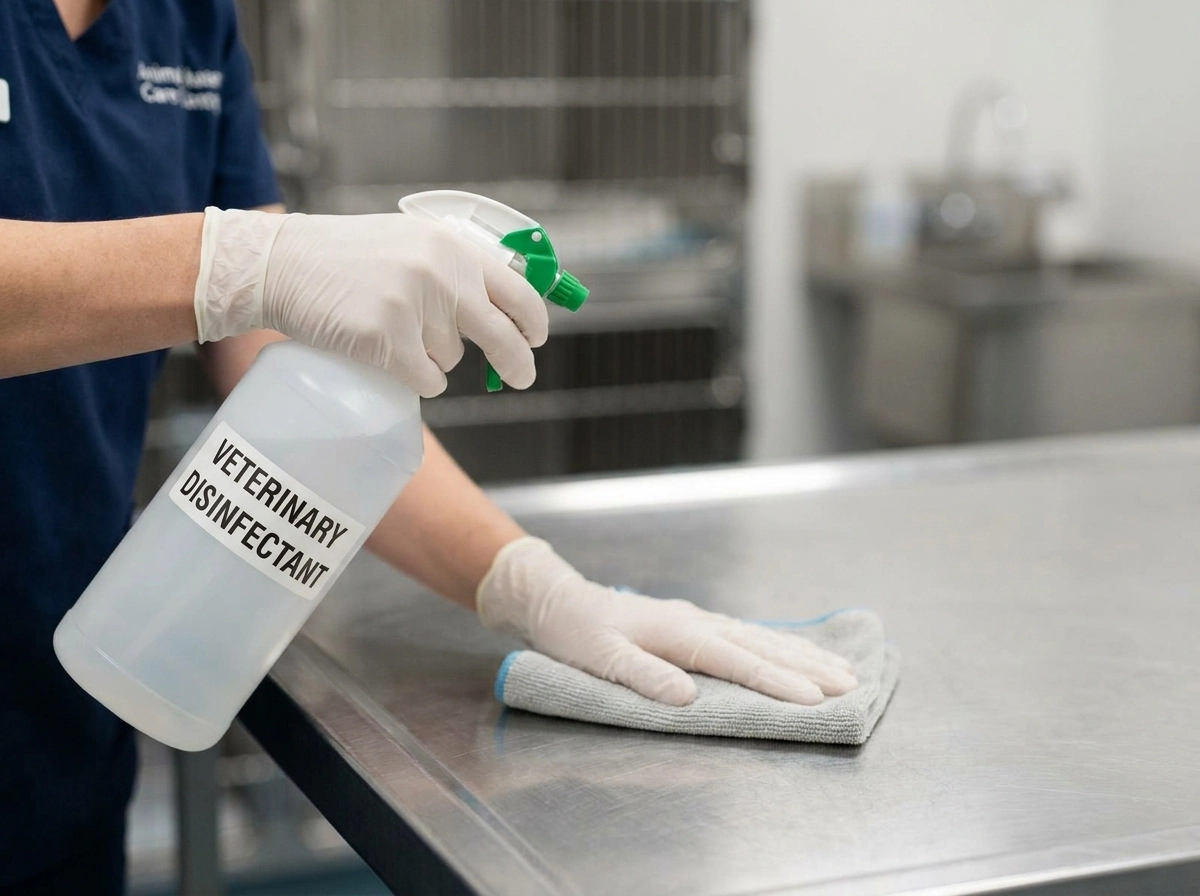
Cleanliness is one of those things that is easy for a facility to claim and harder to actually prove. When you visit or call a boarding facility, ask specifically what disinfectants they use in kennels, common areas, and outdoor play spaces. You are looking for veterinarian-approved products and a written sanitation schedule, not just a reassuring "we clean regularly." According to safety standards outlined for dog daycare environments, water bowls, bedding, and toys should be sanitized daily, and accidents need to be addressed immediately to prevent the spread of kennel cough, parasites, and skin conditions. If a facility cannot hand you a protocol or at least walk you through a consistent routine, that is worth noting.
Group play safety is equally important. Ask how the facility separates dogs by size and temperament, and whether each new dog goes through a behavioral intake evaluation before joining group play. Industry safety guidance recommends separating dogs by size, play style, and energy level, with clear staff sightlines throughout. A facility skipping this step is taking on unnecessary risk with your dog.
Emergency preparedness is a question many owners forget to ask. Find out whether the facility has a relationship with a nearby emergency veterinary clinic and a documented plan for injuries or sudden illness. With 64% of pet owners planning to prioritize their pet's health and wellbeing in 2026, a solid checklist of questions before booking is becoming the norm rather than the exception. Finally, ask for a tour before committing. Any facility confident in its standards will welcome one without hesitation.
Daily Exercise and Enrichment Routines
One of the most important questions you can ask any boarding facility is simple: how much time will my dog actually spend outside of a kennel each day? A dog that gets one 10-minute potty break and spends the rest of the day confined to a small space is not being boarded in any meaningful sense, it is just being stored. Ask specifically how many exercise or outdoor play sessions are offered daily and how long each one runs. Since there is no industry-wide minimum standard for this, the answers will vary widely from facility to facility, which makes asking directly that much more important.
Physical exercise matters, but enrichment activities for dogs go well beyond a run in the yard. Mental stimulation through puzzle toys, scent games, socialization, and interactive play keeps dogs calm and emotionally balanced, especially in an unfamiliar environment. Dogs that are under-stimulated mentally can become anxious, reactive, or restless even if they are getting some physical activity each day.
Before booking, clarify whether exercise and enrichment are bundled into the base rate or priced as add-ons. Also ask whether there is a solo exercise option for dogs that are not comfortable in group play settings. Not every dog thrives in a crowd.
Some facilities allow boarding dogs to join structured daytime daycare groups, which dramatically increases daily activity and socialization. Finally, ask whether staff are trained to read dog body language and recognize stress signals so they can step in before a dog becomes overwhelmed.
Boarding Environment and Sleep Accommodations
Where your dog actually sleeps and rests matters more than most first-time boarders realize. Before you book, ask to see the sleeping area in person. Look at kennel size relative to your dog's breed, check whether bedding is clean and padded, and find out how temperature and lighting are managed overnight. A facility that keeps kennels too cold, too warm, or brightly lit all night will leave your dog tired and stressed rather than rested and recharged.
One simple question that many owners forget to ask: can I bring something from home? A favorite blanket or well-loved toy carries familiar scents that can genuinely calm a dog during those first unfamiliar nights away. Many quality facilities welcome personal comfort items, and it costs nothing to ask ahead of time.
If your dog tends toward anxiety or this is their very first boarding experience, it is worth asking about suite-style or private room options. These accommodations typically come at a higher price, but the quieter, lower-stimulation environment can make a real difference for dogs that struggle with shared kennel settings.
Do not forget to ask about outdoor space as well. Fencing should be secure, the area should be well-maintained, and there should be enough room for the number of dogs using it at any given time. A good facility will welcome that question during your tour.
According to Normandy Blvd Animal Hospital, with 97% of pet owners now viewing their dogs as family members, the expectation for boarding has shifted. A great facility should feel like a genuine home away from home, not just a place to wait until you return.
How the Facility Communicates With You During the Stay
Good communication from a boarding facility is not a luxury feature. It is a baseline expectation for any quality operation, and asking about it upfront will tell you a lot about how the staff actually values your peace of mind.
Start by asking directly: how often will staff send updates, and through what channel? Photo check-ins, text messages, and app-based reports are all common in quality boarding environments today. A facility that proactively sends you a midday photo without you having to ask is a very different experience from one that only responds when you call. That difference in approach reflects how the staff thinks about the owner relationship overall.
Webcam access is a nice bonus, but it is not the only meaningful way to stay connected. Regular, staff-initiated updates can be just as reassuring and often feel more personal because a real person is telling you something specific about your dog, not just streaming footage. What matters most is that updates are consistent and honest.
Ask specifically about the emergency communication protocol. If your dog has a health concern, an injury, or stops eating, you should receive a prompt, clear call from a named staff member, not vague voicemails. Dogs can show stress-related symptoms within the first 72 hours of boarding, which makes early communication especially critical.
Also confirm the after-hours emergency contact process. Smaller, local facilities often give you a direct line to the owner or a senior staff member, which provides a level of responsiveness that larger operations with rotating shift staff simply cannot match as consistently.
Add-On Services Worth Asking About
Beyond the basics of a safe and clean overnight stay, many boarding facilities offer services that can make your dog's visit even more valuable. Asking about add-ons at the time of booking, rather than after arrival, often gets you better pricing and ensures everything is arranged before drop-off.
Grooming during the stay is one of the most practical add-ons available. Instead of scheduling a separate grooming appointment after pickup, ask whether your dog can be bathed or groomed toward the end of the boarding stay so they come home clean and fresh. It saves you an extra trip and reduces stress on your dog from yet another outing.
Daycare passes and multi-service packages are worth a direct question if you board your dog more than a couple of times a year. Many facilities reward repeat clients with loyalty pricing or bundled rates that are significantly cheaper than paying for each service individually. If your dog boards regularly, those savings add up quickly.
Multi-pet households are increasingly common, and finding one facility that handles all your animals is a genuine time-saver. If you have a cat alongside your dog, ask whether the facility boards both species. Consolidating care under one trusted roof reduces the stress of coordinating multiple providers.
At Cincinnati Dog Depot in Glendale, grooming and dog daycare are available alongside boarding, so North Cincinnati pet owners can take care of multiple needs during a single stay without juggling separate appointments across different locations.
Local Independent vs. Franchise Chain: What the Difference Actually Means for Your Dog
When you are comparing boarding options in the greater Cincinnati area, understanding the difference between a national franchise chain and a locally owned independent facility can genuinely change the decision you make for your dog.
National chains compete hard on standardized trust signals, and those signals are real. Features like live webcams, certified staff training programs, and consistent facility design give first-time boarders a recognizable baseline of expectation. If you have never boarded your dog before, that kind of brand familiarity can feel reassuring, and there is nothing wrong with valuing it.
Local independent facilities, however, offer something that no corporate model can replicate by design. A neighborhood boarding facility can build a genuine relationship with your dog over time, offer flexible scheduling that fits your actual life, and maintain the kind of lower staff-to-dog ratios that make individualized attention possible. Those are structural advantages that come from being small and community-rooted rather than scaled for volume.
The difference shows up most clearly when something unexpected happens. If your dog is acting anxious, refusing food, or showing signs of stress mid-stay, a local facility is far more likely to call you directly and make a judgment call based on knowing your dog personally. A corporate operation follows protocol. A local caregiver follows their knowledge of your specific animal.
Community accountability also plays a quiet but powerful role. A locally owned facility in Glendale depends entirely on the trust of its immediate neighbors in the North Cincinnati area. That dependence creates a different kind of motivation for consistent, high-quality care.
When evaluating any facility, ask two straightforward questions: how long have you been operating in this community, and can I speak with a few current clients? Word-of-mouth reputation in a local area remains one of the strongest quality signals you can find.
Tips for First-Time Boarders and Nervous Dogs
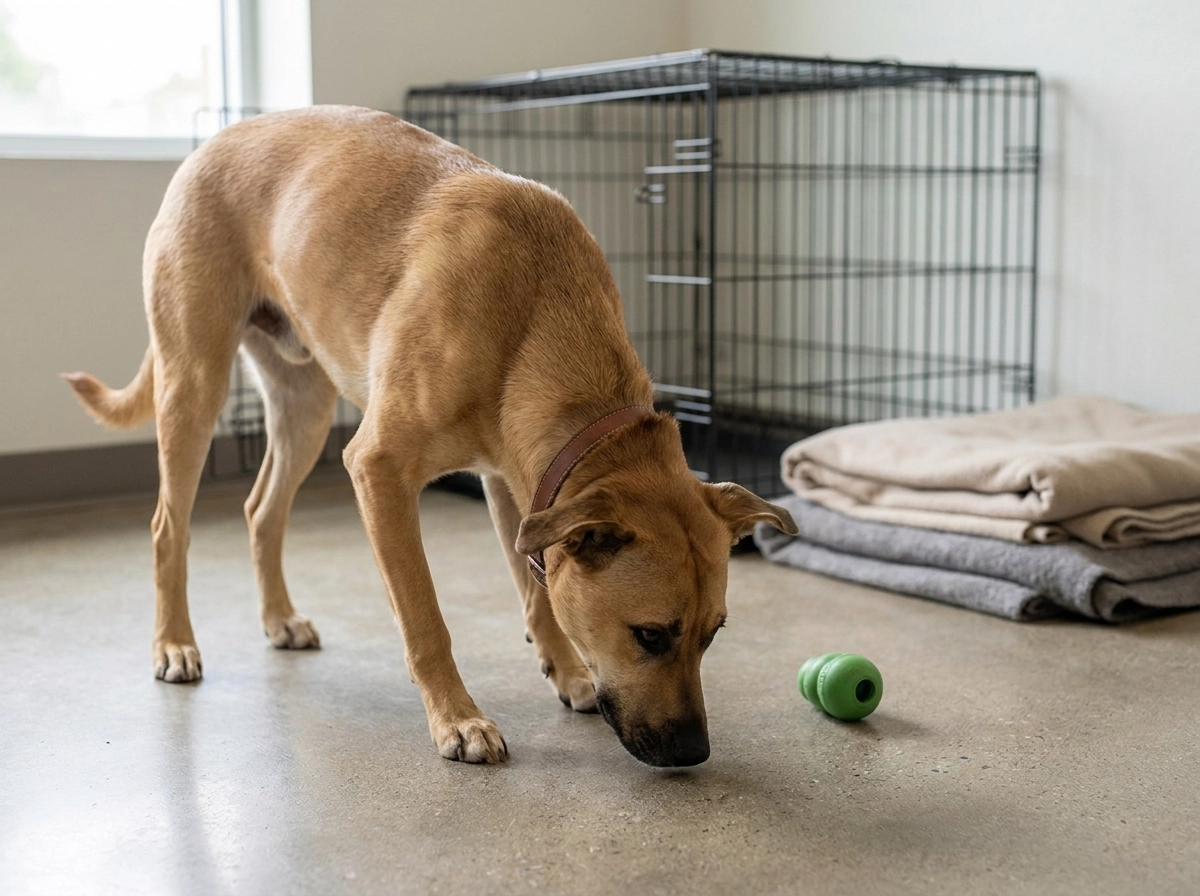
If your dog has never been boarded before, you are not alone. Between 2020 and 2023, roughly 23 million U.S. households added a pet, meaning there are millions of dogs experiencing their first boarding stay right now, and millions of owners navigating the process for the first time alongside them. A good facility understands this and will take time to walk you through what to expect rather than just handing you a check-in form.
Here are five practical tips to make the experience smoother for both of you:
Schedule a meet-and-greet or trial daycare visit first. Before committing to an overnight stay, ask the facility if your dog can come in for a short visit or a half-day of daycare. This gives your dog a chance to explore the environment, meet the staff, and get comfortable with the sights and smells before being left overnight. Many dogs settle significantly faster on their first boarding night when the place already feels familiar.
Bring comfort items from home. Pack a worn t-shirt or a favorite toy that carries your scent. Familiar smells are genuinely calming for dogs in new environments. Also tell the staff upfront about any specific triggers, anxiety behaviors, or comfort routines your dog relies on at home.
Keep your goodbye short and calm. Dogs are remarkably tuned in to their owner's emotional state. A prolonged, emotional drop-off can signal to your dog that something is wrong. A brief, cheerful farewell works better for everyone involved. For more stress-free boarding preparation tips, a calm drop-off routine is consistently one of the top recommendations from veterinary professionals.
Ask staff how they recognize and respond to stress. A facility that can clearly describe the behavioral signs they watch for, such as refusal to eat, excessive panting, or withdrawal, and explain the steps they take to help, is one that genuinely prioritizes your dog's wellbeing over simply filling kennels.
When to Book: Seasonal Demand and Advance Planning
Timing your boarding reservation is just as important as choosing the right facility, and the Cincinnati area follows some very predictable patterns that every first-time boarder should know before they start planning a trip.
The four busiest windows each year are Thanksgiving week, the Christmas and New Year stretch, spring break in late March, and the summer travel season running from late June through mid-August. These periods are not surprises to anyone who runs a quality facility, which is exactly why the best spots fill up so fast.
Here is the part that catches most new boarding clients off guard: quality facilities in the Glendale and North Cincinnati area can be fully booked weeks or even months before those peak periods arrive. Waiting until two weeks before Thanksgiving to call around is one of the most common mistakes first-time boarding clients make. By that point, your options have already narrowed significantly.
Multi-pet households face an extra layer of complexity worth planning around. If you have two dogs, or a dog and a cat, securing space at the same facility means you need simultaneous availability across different accommodation types. Canine suites and feline rooms fill independently, so even if one space is open, the other may not be.
Many facilities do maintain a waitlist during peak periods, but being on a waitlist is genuinely not the same as having a confirmed reservation. Call or book online as soon as your travel plans are set.
Finally, if you travel regularly for work or follow the same holiday schedule each year, ask your facility whether they offer priority booking for returning clients. That one conversation can save you a lot of stress next season.
Finding the Right Boarding Facility Starts With the Right Questions
Every question covered in this post points back to the same idea: booking dog boarding is not just a scheduling task to check off before a trip. You are making a care decision for a family member. The facility you choose will be responsible for your dog's safety, comfort, routine, and emotional well-being while you are away. That deserves real attention.
The checklist throughout this post gives you a practical framework. Ask about vaccinations, staff ratios, cleanliness standards, daily exercise, communication protocols, sleep accommodations, add-on services, and booking timelines. Visit in person before you commit. Trust your instincts during the tour.
If you are in the greater Cincinnati area, Cincinnati Dog Depot in Glendale is a great place to start that conversation. The team offers boarding, daycare, and grooming services and welcomes prospective clients to come see the facility firsthand before booking. A quick visit or a phone call lets you ask every question on your list and get real answers from people who know your community.
You can reach out at cincinnatidogdepot.com or give them a call to walk through what a stay actually looks like. No pressure, just the information you need to make a confident choice for your dog.
Conclusion
Choosing the right dog boarding in Cincinnati comes down to a few non-negotiables: clean and safe facilities, qualified and caring staff, clear health requirements, and a daily routine that keeps your dog comfortable and engaged. When you know what to look for, the decision becomes so much easier.
Your dog deserves more than just a place to stay. They deserve a place where they feel secure, stimulated, and genuinely looked after while you are away.
Now that you know the 10 key things to evaluate, it is time to put that knowledge to work. Start touring local facilities, ask the hard questions, and trust your instincts. The right boarding facility is out there, and your pup is counting on you to find it. Take the first step today and book a tour with confidence!